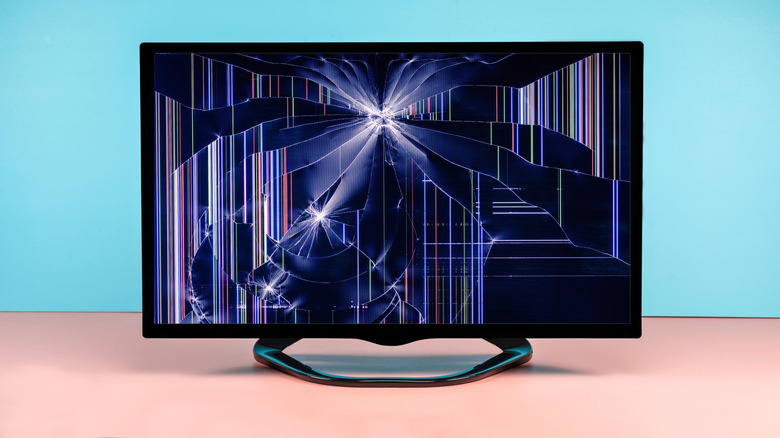
PitukTV/Shutterstock Add Engadget on Google: Preferred Source Google Discover A TV isn't something that you can just throw into the trash once you're done with it. They're too big, too bulky, often awkward to transport and almost certainly packed with materials that shouldn't end up in landfill. Safely disposing of a TV might be a bit of extra work, but it's definitely worth it. It could even get a whole new lease of life with a new owner, and if all else fails, you should at least have it carefully recycled. How you dispose of a television really depends on its condition and age, but you'll also need to remember to follow local guidance on dealing with e-waste. If the TV is still working, it's a good idea to give it a reset, just to make sure that your accounts are no longer accessible once it leaves your hands. Does your TV still have some life left in it? Elena Gurova/Getty Images There's a little bit of housekeeping you need to go through before you send your TV off to that big trash heap in the sky, especially if it's a smart TV. Firstly, does it still turn on? Or is it destined to be another piece of e-waste? Give it a thorough test, just to be sure. Turn it on and check all the buttons work on the remote. If you've got a streaming stick or set-top box handy, plug it into the HDMI port and check that the panel works as it should. If the picture looks good and the sound is acceptable, you can think about giving it away or selling it. Before you do, though, you'll want to double-check that it's been cleared properly. This is one of the most common smart TV problems. If you've signed in to apps like Netflix before, you'll need to sign out. The device might also remember your Wi-Fi network details and hold details about your viewing habits. Giving it a factory reset should remove your data. It'll be a setting typically buried deep in the system menu, but if you can't find it, make sure to check your TV's user manual for the correct steps to follow. If you can't physically access the TV, most streaming services let you review and log out of specific devices remotely. Oh, and quickly make sure that any streaming sticks or USB drives haven't been left plugged in. Find a new home for a TV that still works Artistgndphotography/Getty Images What do you do with a TV that still has some life left in it? While it might be surplus to your requirements, it isn't immediately useless, so you can try to find it a new home. Friends, family and neighbors are all obvious ports of call for somebody to take the TV off your hands responsibly (and for free). You can also try putting it up on Craigslist or Facebook Marketplace, which is a very popular way of repurposing unwanted tech. If the TV is still in good condition, there's no reason why you can't sell it, but giving it away will increase the chances that it finds a new home sooner, rather than later. You'll want to be as honest as you can about its age and condition, especially if the TV does have problems. Scratches to the bodywork or dead pixels are the obvious faults to mention here, along with a remote that's past its prime. You might even be able to repurpose it around your own home. Smart TVs do get outdated, but replacing those features with a streaming stick or set-top box is a quick way around the problem. Apple TV, Roku and Chromecast: They'll all replace slow or no-longer-functional streaming services on an outdated TV. The panel still works, after all. Local charities and community groups may also accept working TVs, as might thrift stores. The size and age of the TV might be a barrier here, but it's always worth asking. CRTs are generally one of the items you shouldn't try to donate to a thrift store, due to the amount of harmful chemicals within in them. Ultimately, you can't force somebody to take the TV. If, after all that, you're still without a taker, it's time to put it out of its misery. Safely transport and recycle an old TV Klochkov SCS/Shutterstock You can't just throw electronics into your trash bin, especially if it's something as large and potentially hazardous as a television. TVs can contain materials like lead and mercury, which can damage your health and the environment if they're released. If you want to dispose of it safely, look up the rules in your local area first. You might be able to drop it off at a local waste management facility, or there may be companies that will pick it up (or schedule drop offs) that can recycle the e-waste responsibly. The EPA runs a certified electronics recyclers program to help you find a recycler you can trust. Rules will vary, so double-check what you'll need to do to properly dispose of a TV and whether you'll need to pay for the privilege. Retailers are a good option to consider, too. Best Buy, for instance, is willing to accept TVs for recycling at some of its stores, although there are size limits and location-specific restrictions. It also offers a paid haul-away service if you can't get to a local store. Some manufacturers also run take-back schemes to recycle TVs. LG has drop-offs for recycling its panels, while Samsung has recycling options for different states. Sony, meanwhile, partners with ERI to run a nationwide take-back program to recycle older Sony televisions. If you can't get your TV picked up, the biggest problem you're going to face is transportation. Big flat-screen TVs can be a two-person job to safely handle. You'll also need to keep it upright during transport, as lying it flat can cause the panel to flex or smash. The original box is great if you still have it, but a blanket and some cardboard can also help you protect it while you move it, too. If another group is picking it up, make sure to follow their instructions around self-packaging. Older CRT televisions are a whole different matter, however. They are big, bulky, filled with hazardous materials and aren't hugely fond of transportation. You won't want to open it up and breaking the glass isn't a good idea, either. If you're dealing with a CRT that you can't reuse or sell, collection might be best: Wrap it as best you can, and make sure to move it with at least another person. Whatever you decide to do, the important thing is that your TV gets moved carefully, whether it's off to a new home or a certified e-waste recycler.
How to safely dispose of your old TV
来源:Engadget
2026年09月06日 00:01
0 阅读
分享到: